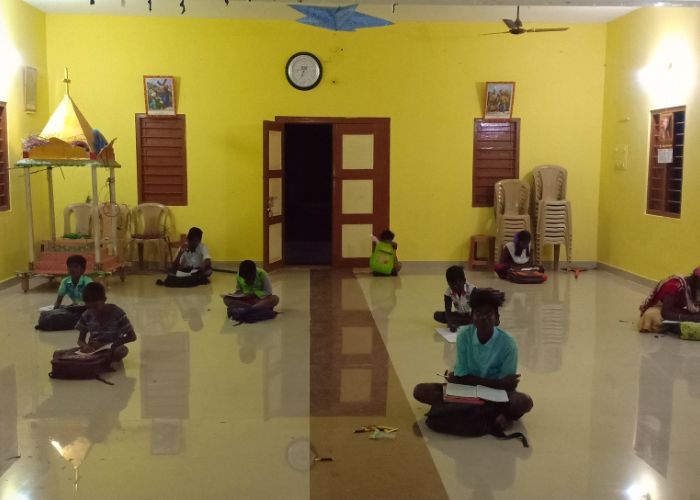
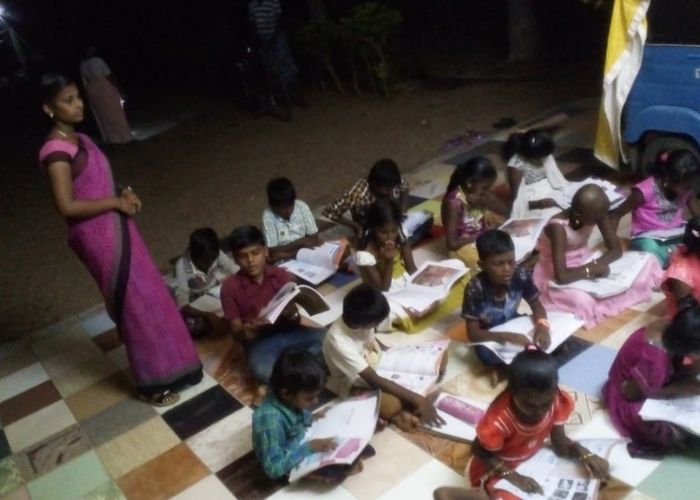
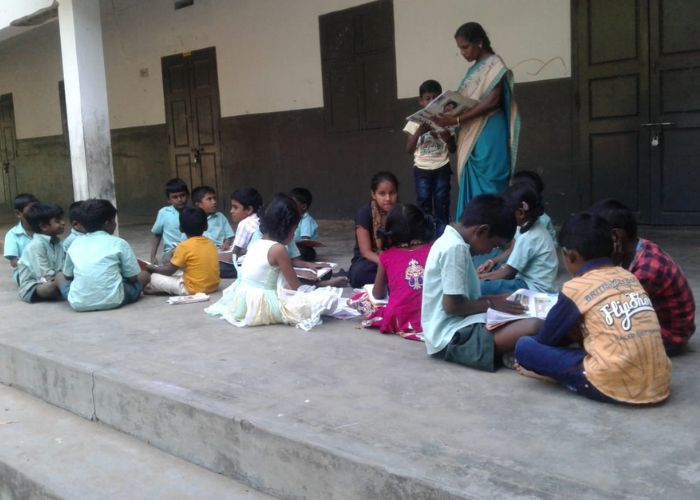
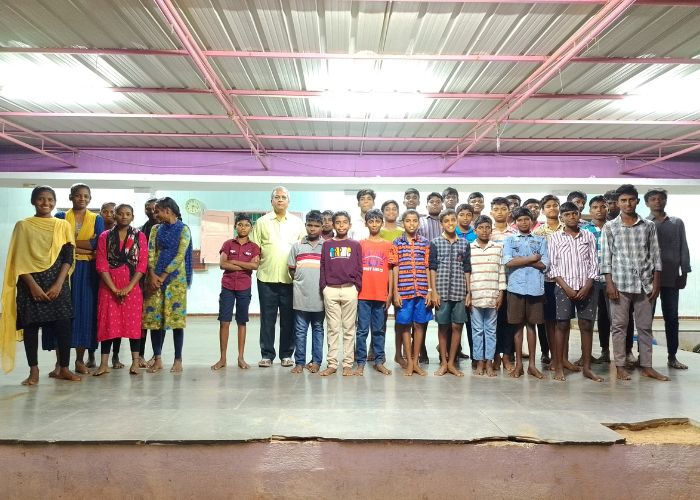
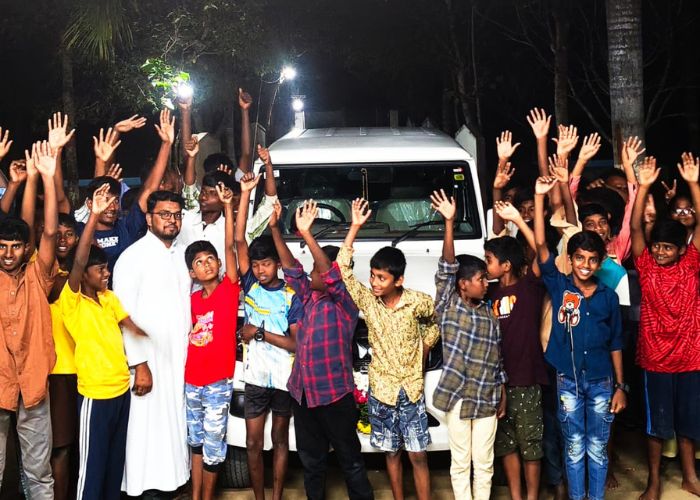
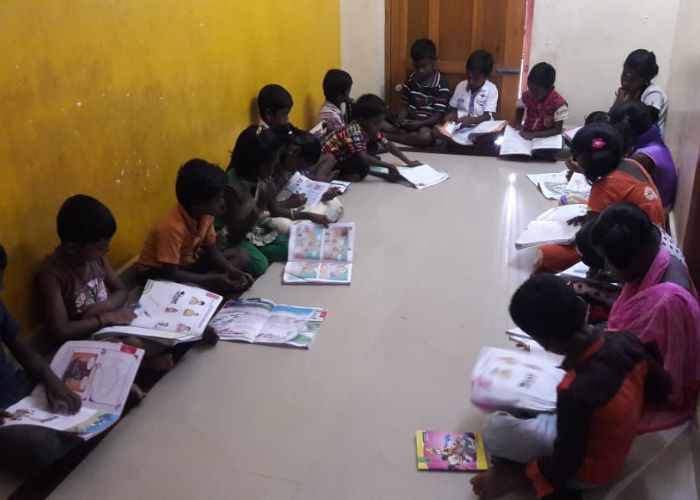
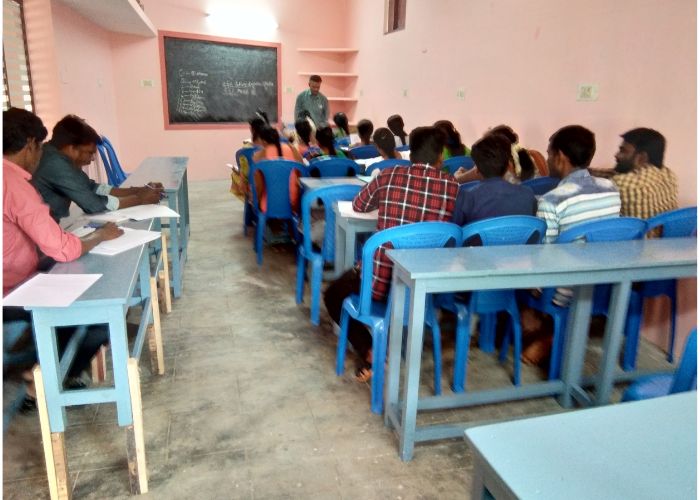
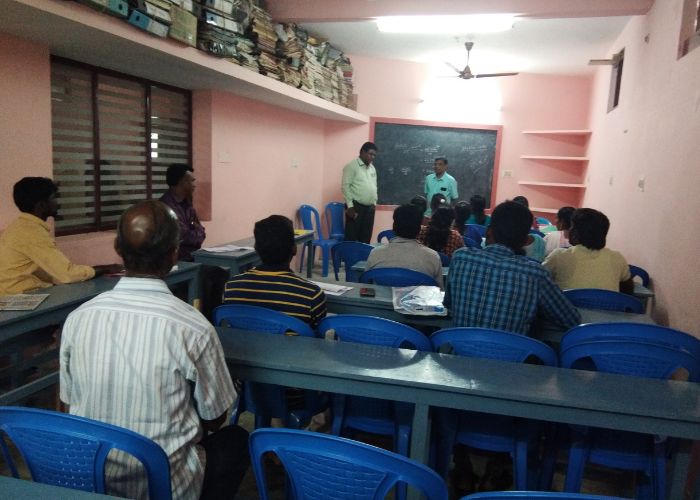
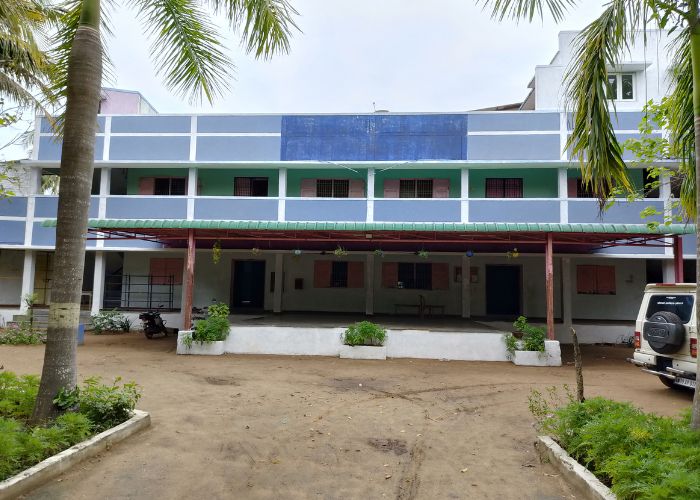
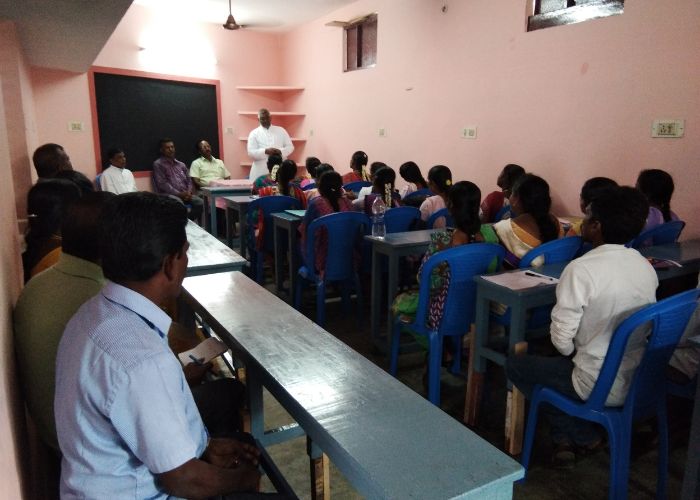
“Education is the only weapon for lost and least” As the organization believes more on that slogan, CRDS focused on Education of the welfare Disadvantaged section, especially Dalits to promote the educational status through various educational schemes and projects. From the year of 1990 the educational support rendered by CRDS becomes a transformation for the poor Dalit community to promote their social economic, political and educational life.
Inclusive Education is an approach that ensures all children, regardless of their physical, intellectual, social, emotional, linguistic, or other abilities, learn together in regular schools and classrooms. It promotes equal access to quality education and creates an environment where every child is valued, respected, and supported to achieve their full potential.
Inclusive education particularly focuses on children with disabilities, children from marginalized communities, girls, economically disadvantaged children, and those facing learning barriers. It aims to eliminate discrimination and provide appropriate support services, teaching methods, assistive devices, and accessible infrastructure to ensure meaningful participation in education.
Inclusive education is based on the principles of equity, diversity, participation, and child rights. It contributes to building an inclusive society by fostering understanding, acceptance, and mutual respect among all learners.
Objectives of Inclusive Education
Ensure Equal Access to Education
Promote Inclusive Learning Environments
Improve Learning Outcomes
Strengthen Capacity of Teachers
Enhance Participation of Children with Disabilities
Increase Parent and Community Involvement
Provide Necessary Support Services
Reduce School Dropout Rates
Promote Child Rights and Social Inclusion