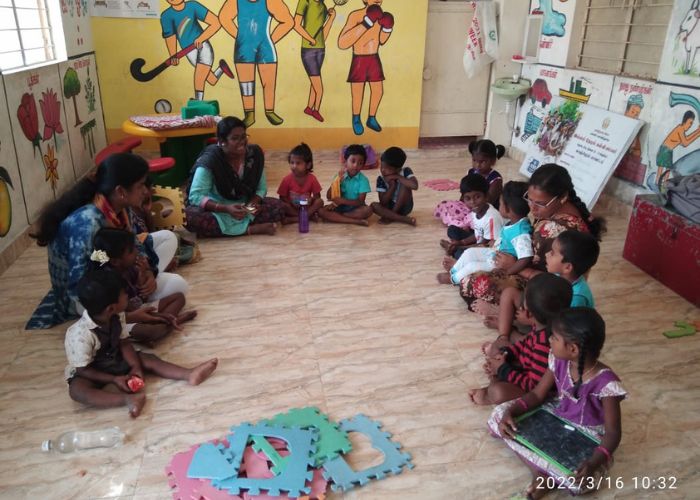
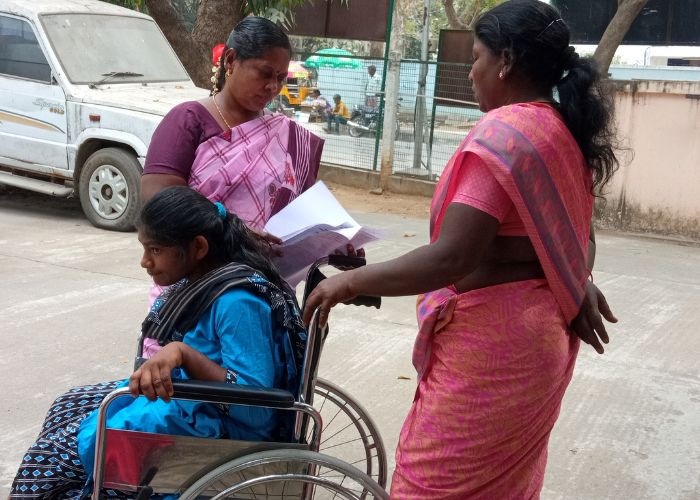
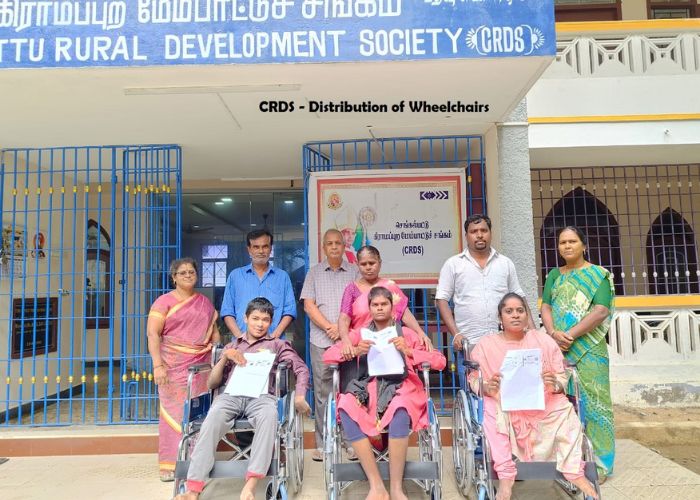
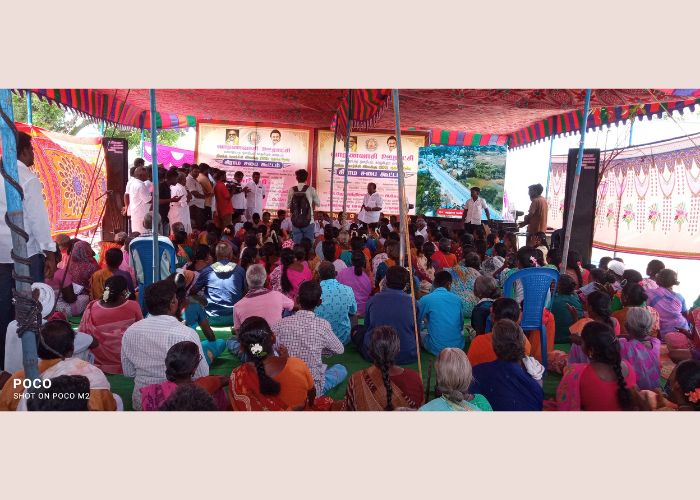
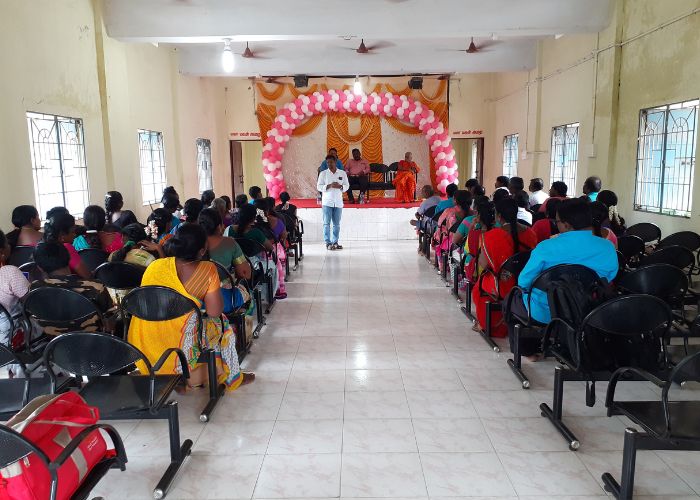
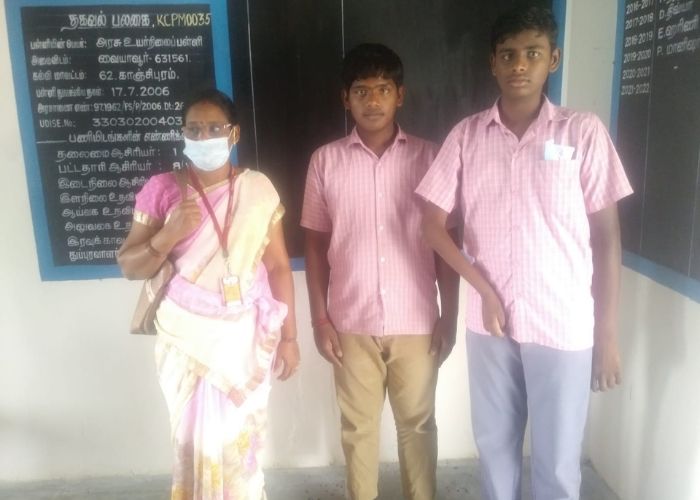
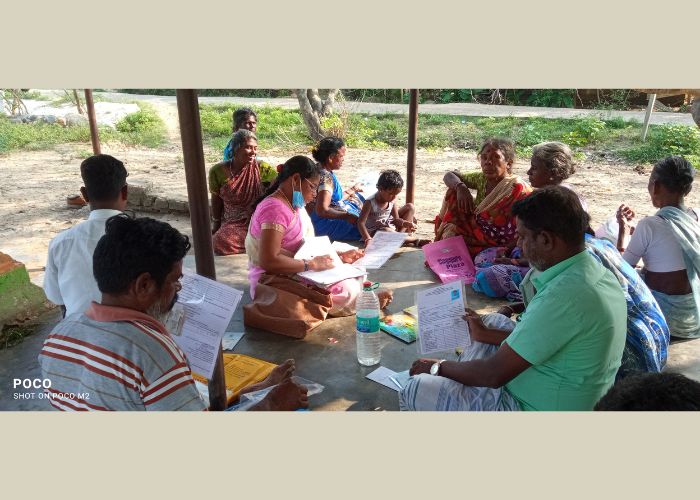
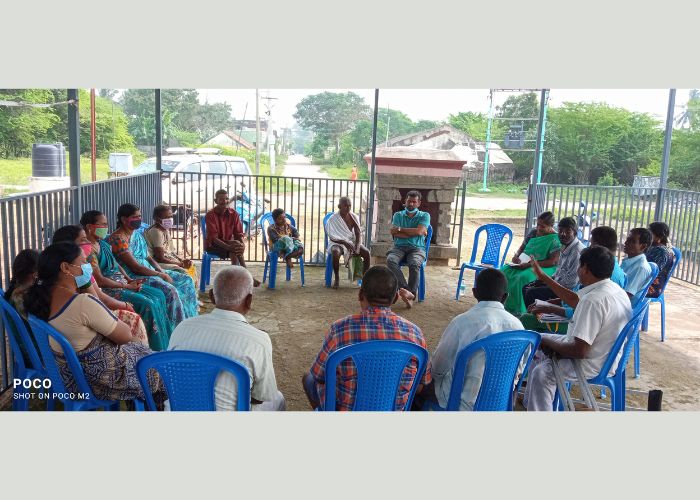
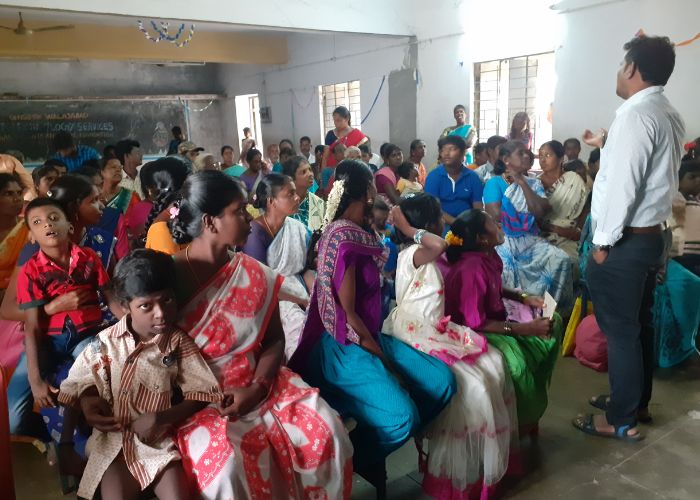
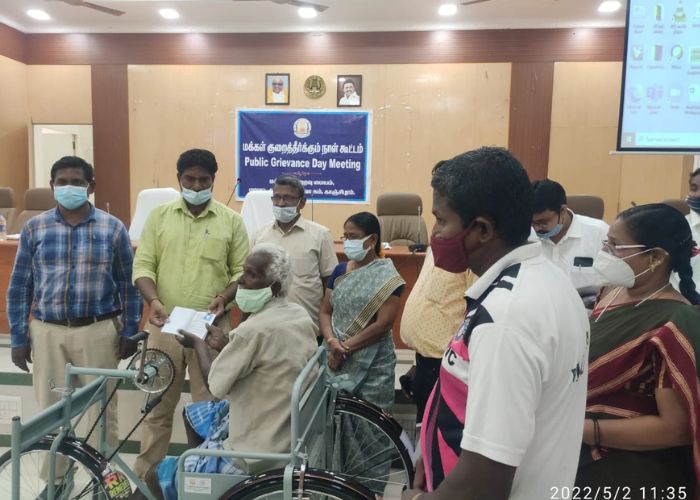
CRDS organizes programmes and executes projects for the persons with disability under five components: Health, Education, Livelihood, Social and Empowerment in Chengalpattu and Kancheepuram areas.
Disability Welfare and Inclusion focuses on ensuring that persons with disabilities (PwDs) enjoy equal rights, opportunities, dignity, and full participation in society. It aims to remove physical, social, economic, and attitudinal barriers that hinder their development and inclusion. Through access to education, healthcare, livelihood opportunities, social protection, assistive devices, skill development, and community support systems, disability welfare initiatives empower persons with disabilities to lead independent and productive lives.
An inclusive society recognizes the abilities and contributions of persons with disabilities and ensures their active participation in family, community, economic, cultural, and political life. Disability-inclusive development promotes equality, accessibility, non-discrimination, and social justice while aligning with the principles of the Rights of Persons with Disabilities (RPwD) Act and the United Nations Convention on the Rights of Persons with Disabilities (UNCRPD).
Objectives of Disability Welfare and Inclusion
Enhance Access to Essential Services
Ensure persons with disabilities have access to quality healthcare, rehabilitation, education, and social welfare services.
Promote Inclusive Education
Support the enrollment, retention, and academic success of children and youth with disabilities in mainstream and special educational settings.
Strengthen Livelihood Opportunities
Provide vocational training, skill development, entrepreneurship support, and employment opportunities for persons with disabilities.
Improve Accessibility and Mobility
Promote barrier-free infrastructure, accessible transportation, and assistive devices to enhance independence and mobility.
Empower Persons with Disabilities
Strengthen self-confidence, leadership skills, decision-making abilities, and participation in community development processes.
Promote Social Inclusion and Equality
Reduce stigma, discrimination, and social exclusion through awareness campaigns and community sensitization programs.
Support Families and Caregivers
Provide guidance, counseling, and capacity-building support to families and caregivers of persons with disabilities.
Facilitate Access to Government Schemes
Assist beneficiaries in obtaining disability certificates, identity cards, pensions, scholarships, and other social security benefits.
Strengthen Disabled People's Organizations (DPOs) and Self-Help Groups
Build the capacity of disability groups and networks to advocate for their rights and participate in local governance.
Promote Rights-Based Advocacy
Advocate for policy implementation, equal opportunities, accessibility standards, and protection of the rights of persons with disabilities.
Encourage Community-Based Rehabilitation (CBR)
Strengthen community support mechanisms to improve the quality of life and social integration of persons with disabilities.
Ensure Gender and Child-Sensitive Inclusion
Address the specific needs and challenges faced by women, girls, and children with disabilities through targeted interventions.